
Selling Before Foreclosure
How Does a Short Sale Work When You're Behind on Payments?
A short sale is selling your home for less than what you owe on the mortgage, with your lender's written approval to accept that shortfall instead of...
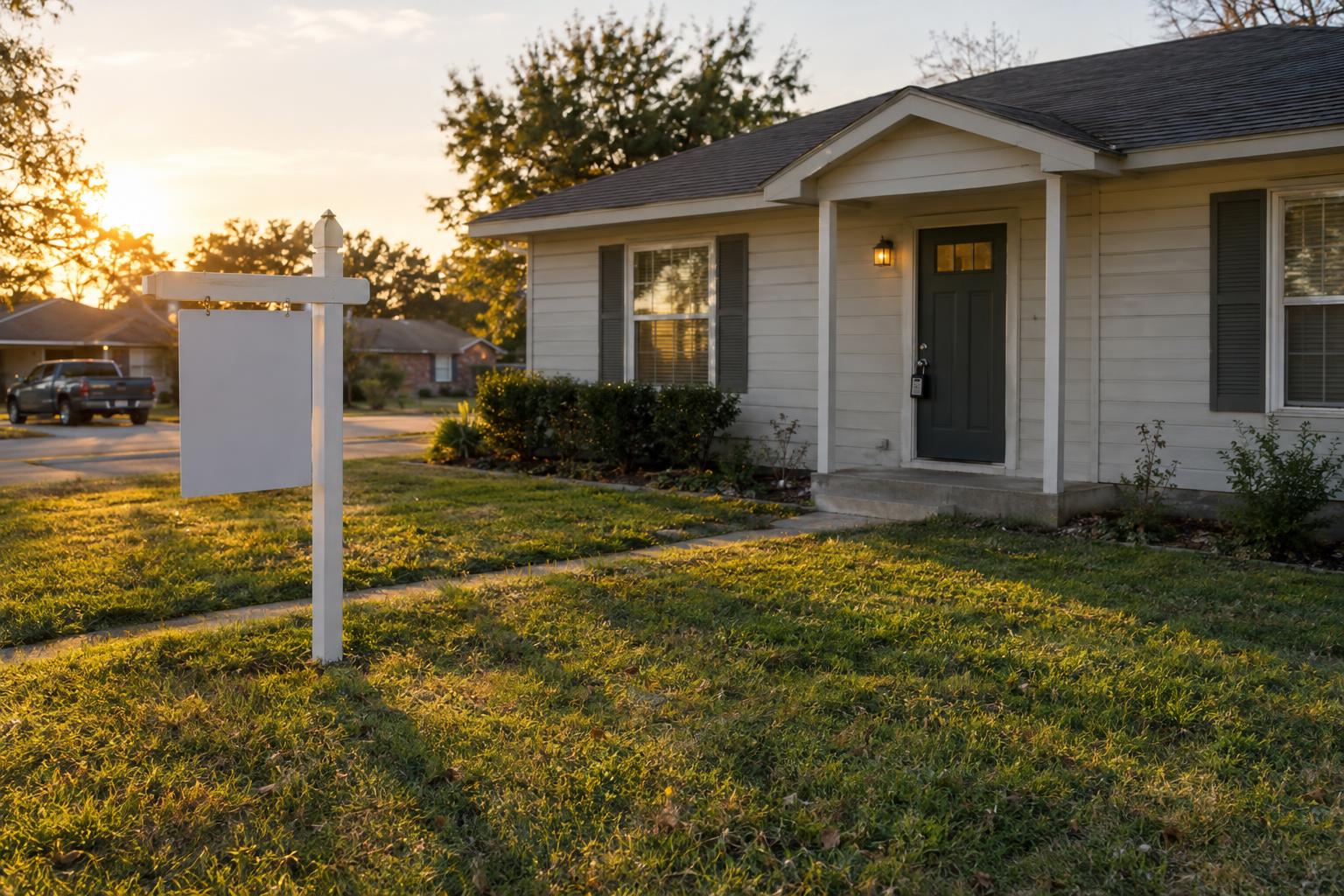
A short sale is selling your home for less than what you owe on the mortgage, with your lender's written approval to accept that shortfall instead of pursuing foreclosure.
Why Lenders Say Yes
Banks lose an average of $50,000–$60,000 on every completed foreclosure, so many are genuinely motivated to approve a short sale instead. The catch is timing: many lenders won't seriously consider it until you're at least 60 days past due, and most won't start a new negotiation once you're within 37 days of your sale date. If at all possible, start the conversation before you're 90 days past due.
The Process
You (or someone helping you) list the home, get an offer, and submit a short-sale package to your lender — hardship letter, financials, the purchase contract. The lender decides whether to approve the discounted payoff.
Why It's Worth the Extra Steps
Short sales take longer than a normal sale and require lender cooperation, but they typically protect your credit significantly more than a completed foreclosure and can come with relocation assistance.